Understanding the psychological triggers that drive casino gambling behavior
Understanding the psychological triggers that drive casino gambling behavior
The Thrill of Uncertainty
The element of uncertainty plays a pivotal role in casino gambling behavior. Gamblers are often drawn to the thrill that comes with not knowing the outcome of their bets. This unpredictability creates a rush of excitement that can be addictive, triggering the brain’s reward system. When individuals win, the dopamine released reinforces the behavior, making them more likely to gamble again in the future. Interestingly, many are attracted to online casinos real money options, hoping to replicate their successes.
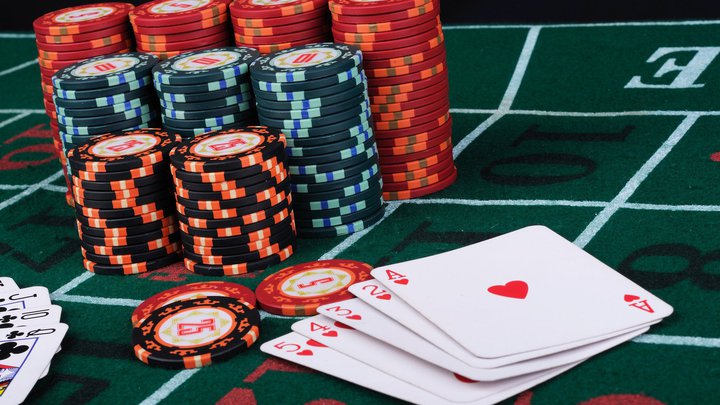
This cycle of anticipation and reward can lead to a compulsive desire to chase losses or recapture the highs of previous wins. The uncertainty can act as a psychological magnet, pulling individuals into a world where they feel they might achieve great fortunes, even if the odds are stacked against them.
Social Influence and Group Dynamics
Another significant psychological trigger in casino gambling is the influence of social dynamics. Casinos are often social environments where individuals gather to share experiences, which can amplify the excitement of gambling. The presence of others can enhance the perception of winning and create a sense of belonging among players, making them more likely to engage in gambling behavior.
Moreover, witnessing others win can create a bandwagon effect, encouraging individuals to place bets even if they had initially planned to walk away. This social validation can heighten the thrill of the experience, leading to increased gambling activity as players feel more confident in their chances of winning.
The Impact of Cognitive Biases
Cognitive biases significantly influence gambling behavior, often leading individuals to make irrational decisions. One common bias is the illusion of control, where players believe they can influence the outcome of games of chance. This belief can encourage individuals to gamble more, thinking they possess some skill that will grant them an edge.
Additionally, the gambler’s fallacy, where individuals think past outcomes can affect future results, can lead to misguided betting strategies. These biases create a distorted sense of reality, allowing gamblers to justify their actions even in the face of overwhelming odds, making it challenging to break the cycle of gambling.
The Role of Marketing and Environment
Casino design and marketing strategies are meticulously crafted to exploit psychological triggers. Bright lights, loud sounds, and the smell of free drinks work together to create an inviting atmosphere that can be hard to resist. This carefully curated environment is designed to keep players engaged, making it difficult to leave once they start gambling.
Moreover, promotional tactics such as loyalty programs and bonuses can condition gamblers to return frequently, reinforcing a behavior that may otherwise lead to harmful consequences. The combination of a stimulating environment and enticing offers can create a perfect storm for increased gambling behavior, affecting an individual’s ability to make rational decisions.

Visit Our Website for More Insights
Our website offers comprehensive resources and information on the psychological aspects of gambling behavior. We delve into various factors influencing gambling, providing valuable insights for both casual players and those concerned about gambling addiction. Understanding these psychological triggers can empower individuals to make informed choices.
Explore our content to learn more about responsible gambling practices, the latest research, and personal stories that shed light on the complexities of this behavior. Our aim is to foster a deeper understanding of the gambling landscape and promote healthier engagement in gaming activities.


Laisser un commentaire